

Walking in nature: an activity for everyone
WHAT DOES HIKING MEAN?
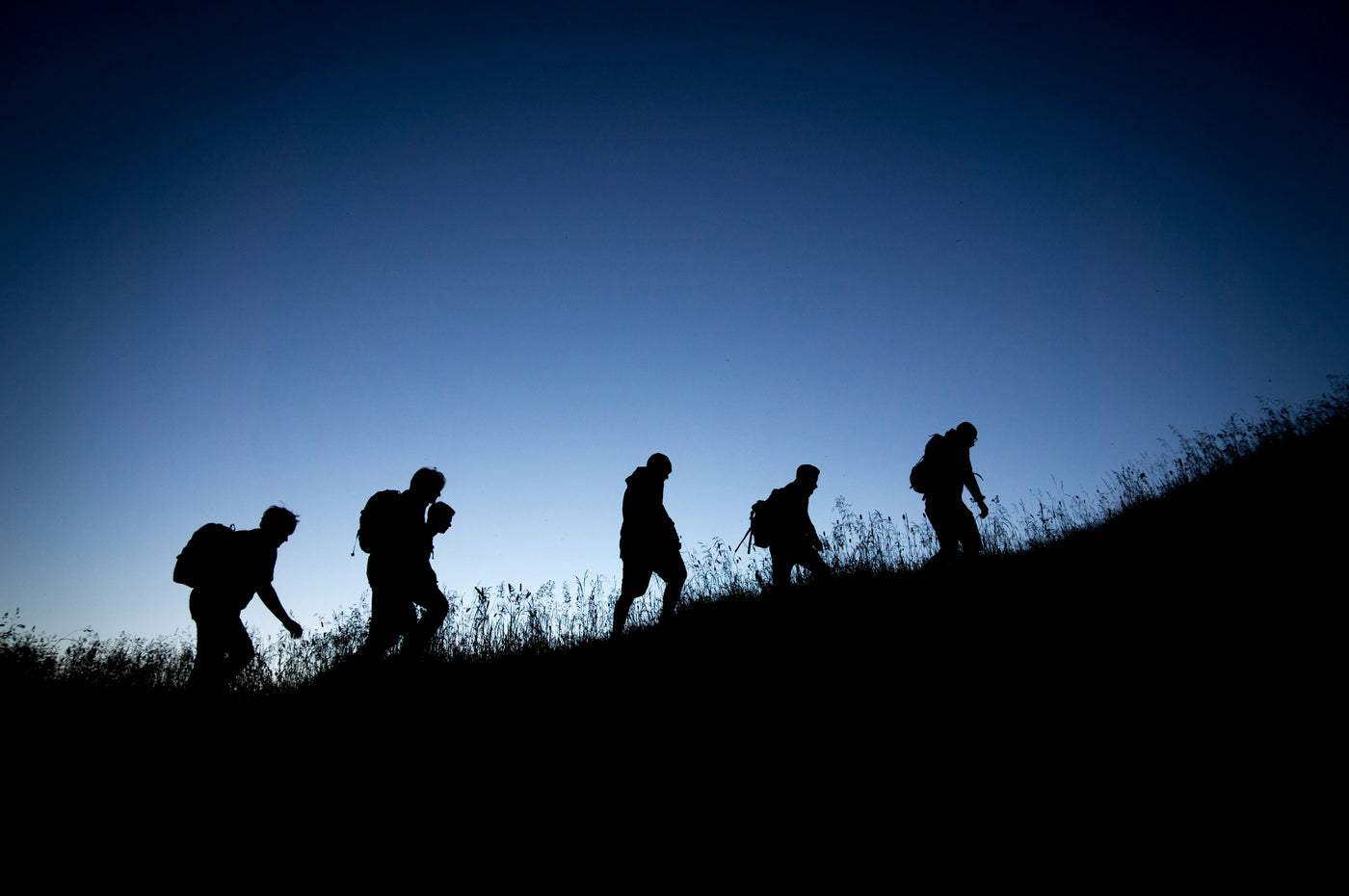
Hiking comes from the verb “to hike,” meaning to walk for pleasure or exercise. It is an outdoor activity consisting of short excursions—usually lasting a day—on trails with difficulty levels ranging from "tourist" to "expert." This makes it an accessible activity for everyone; you can choose the path that best fits your fitness level, from challenging trails with exposed sections for experts to gentler itineraries for beginners. Since it is suitable for all, hiking is also a perfect way to spend a day together in the mountains.
Are you an outdoor lover? Then you’re in the right place to discover more about Hiking!
A layering system for every climate
HOW TO DRESS?
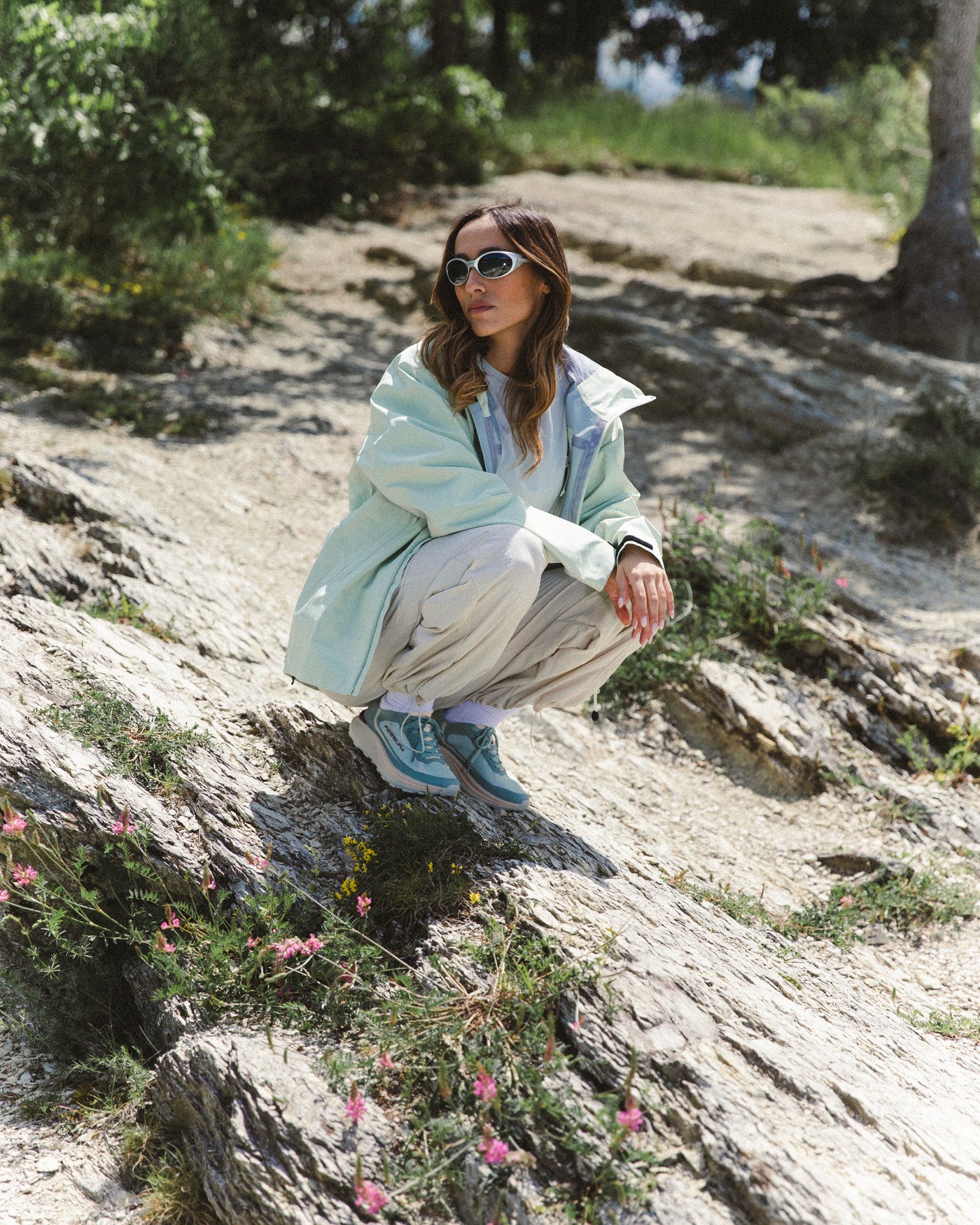
To tackle a hike in total safety, your clothing must first and foremost be functional and breathable. The golden rule is the "layering" technique: using several overlapping layers allows you to regulate your body temperature in real-time, removing a garment during intense climbs or adding one in case of wind or sudden temperature drops at high altitudes.
- The first layer (Base Layer): Choose technical fabrics that wick sweat away from the skin, keeping you dry.
- The insulating layer (Mid Layer): A fleece or a light softshell to retain body heat without restricting movement.
- The protective layer (Shell): A windproof or waterproof jacket to protect you from the elements.
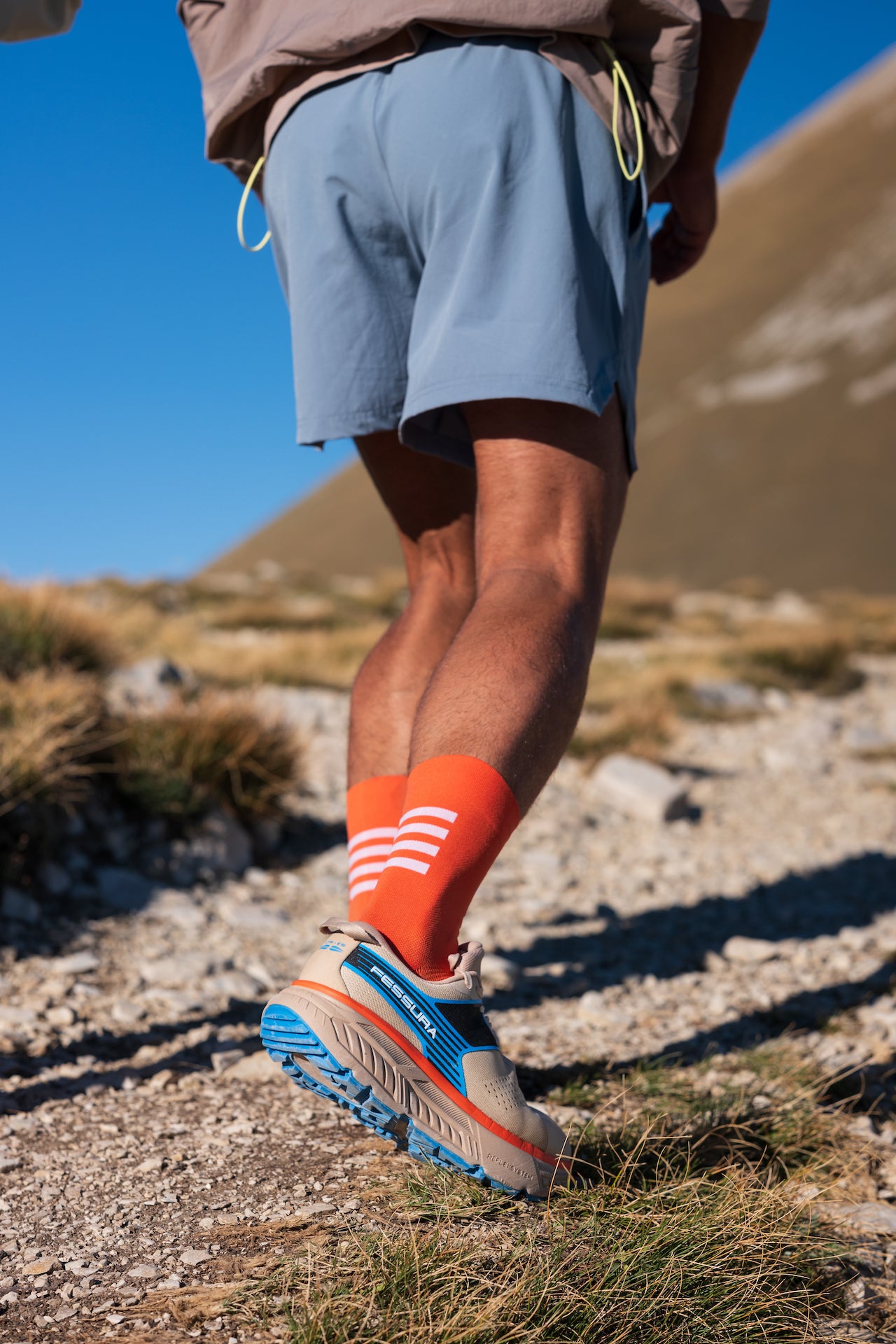
Beyond layers, visibility is key: choose bright colors to be easily spotted even in low light conditions, and if you plan to walk at dawn or sunset, always wear a reflective insert. Never forget to protect your eyes with outdoor-specific sunglasses.
OUTDOOR APPAREL





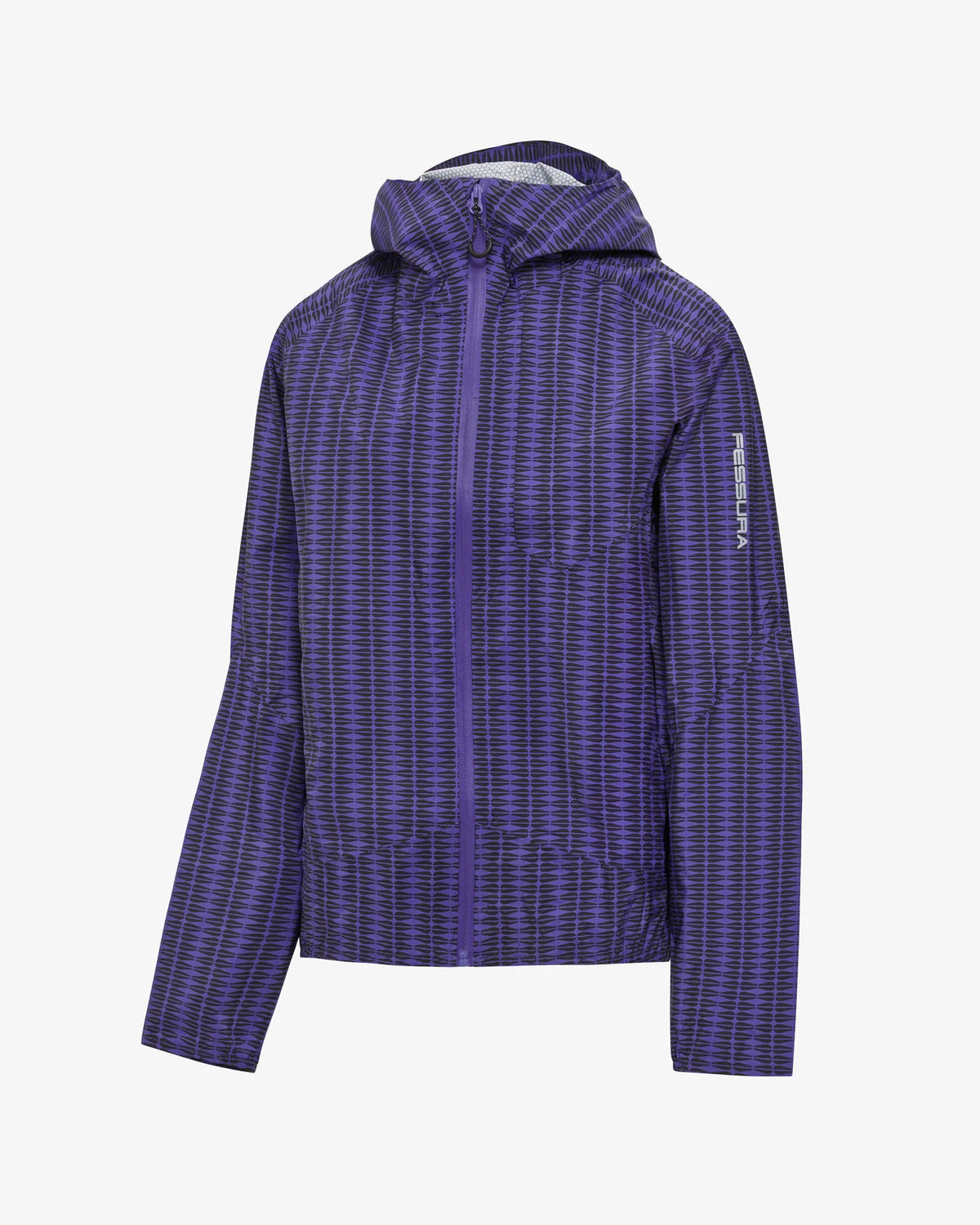
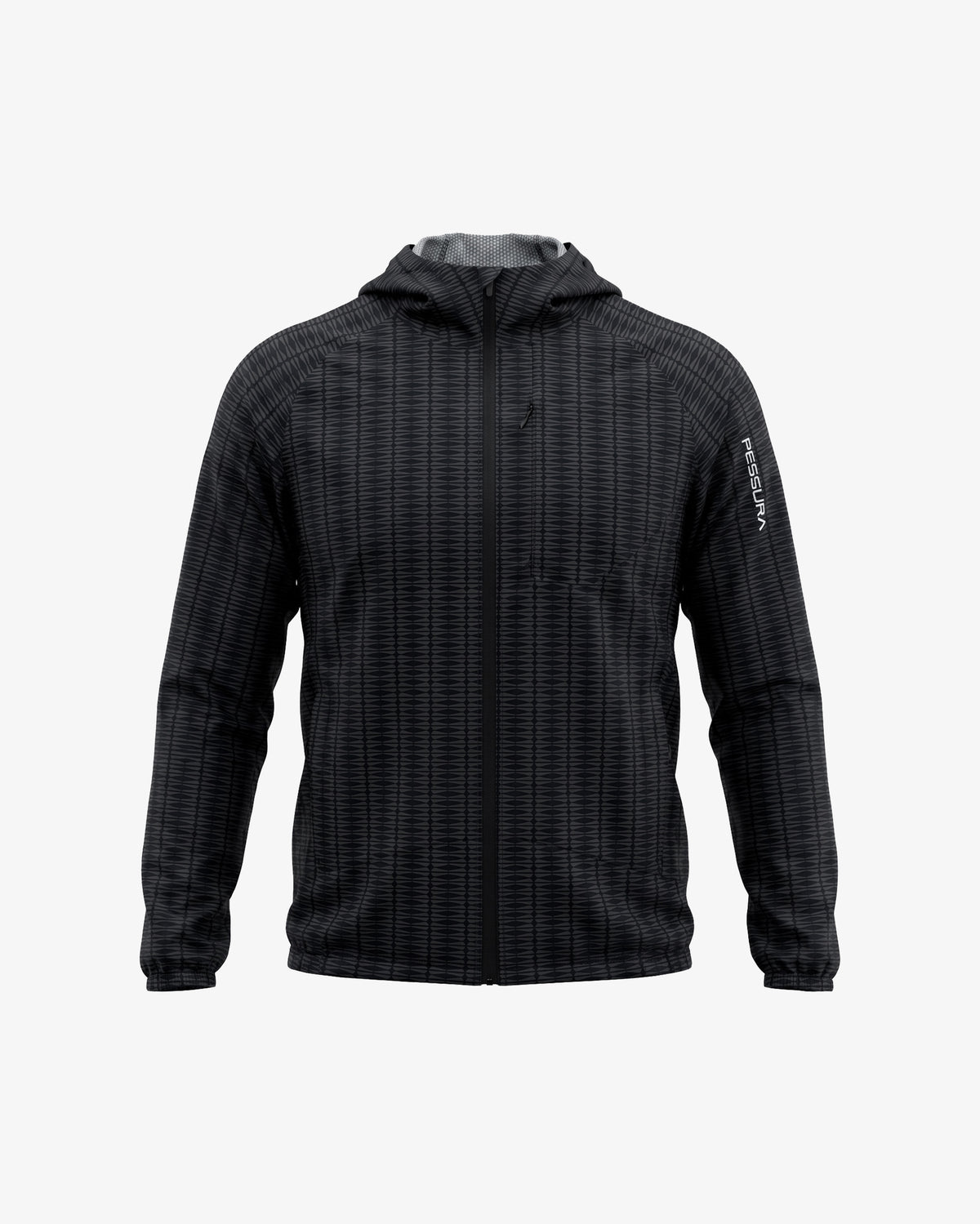


Discover Fessura Trail Technology
WHICH SHOE TO CHOOSE?
Hiking—especially for those who are less active, have low muscle tone, or poor postural habits—can place significant stress on the musculoskeletal system, particularly the knees and spine. In the long term, this can lead to pain or injury. However, there is an easy way to counteract this: use the right hiking footwear!
The most important piece of equipment for any hiker is undoubtedly the shoe. The ideal shoe must be comfortable, lightweight, and robust.
Fessura’s Hiking Recommendations:
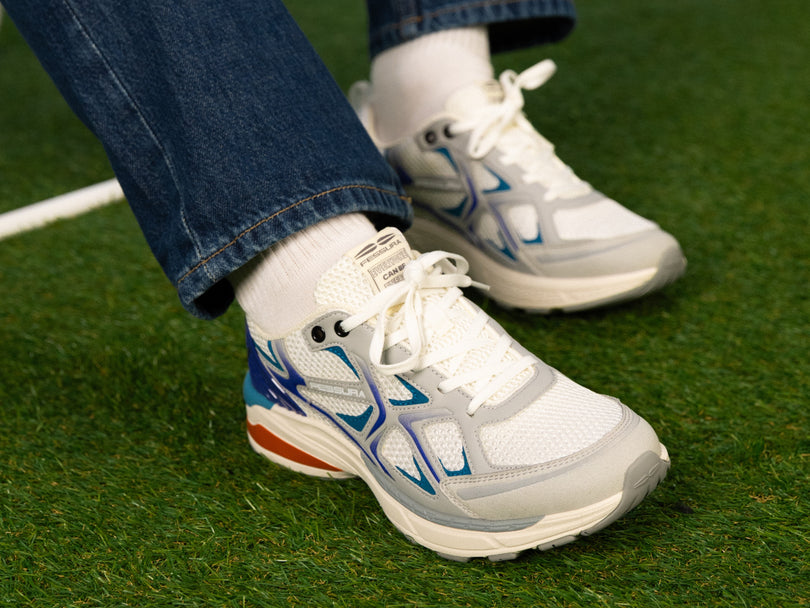
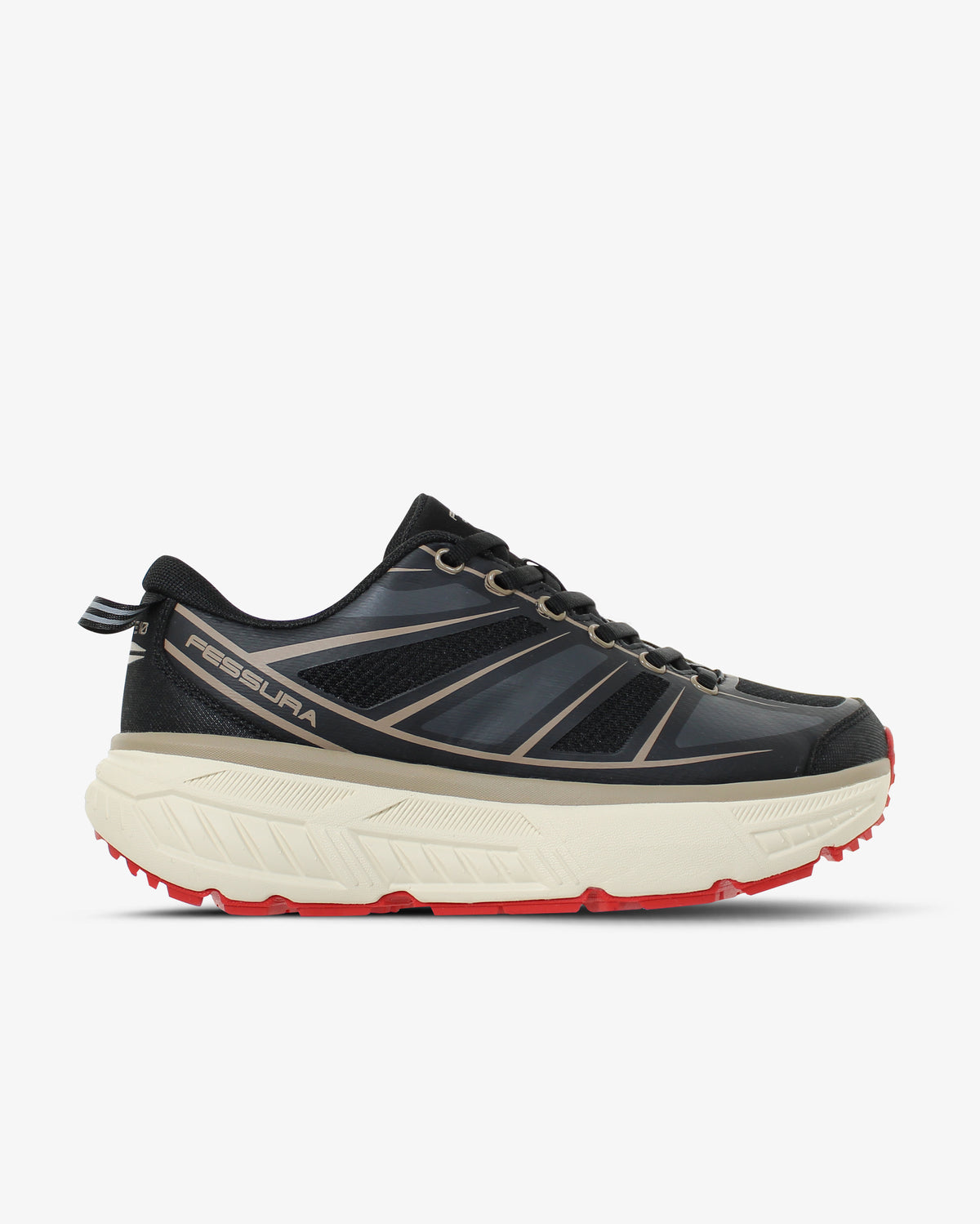
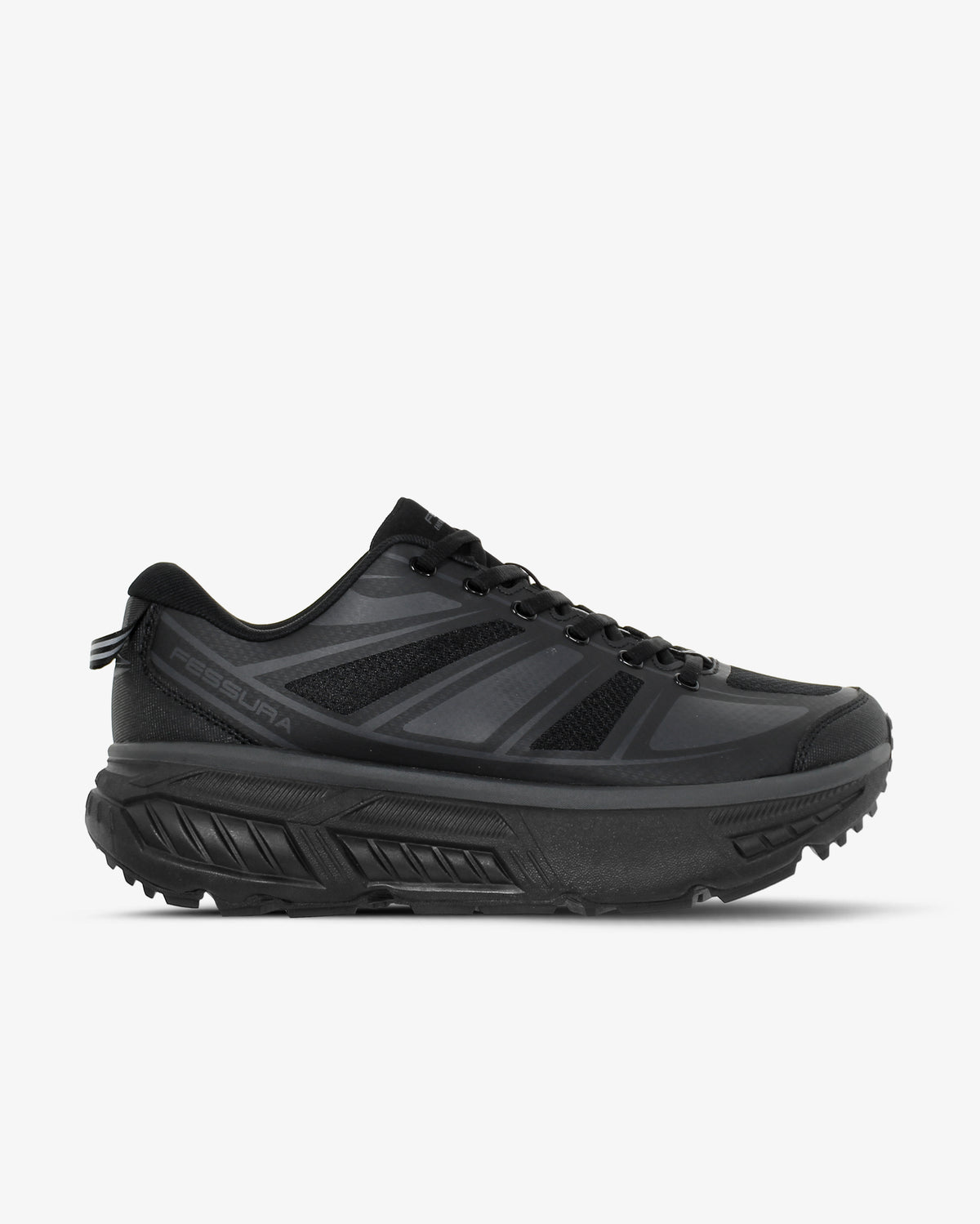
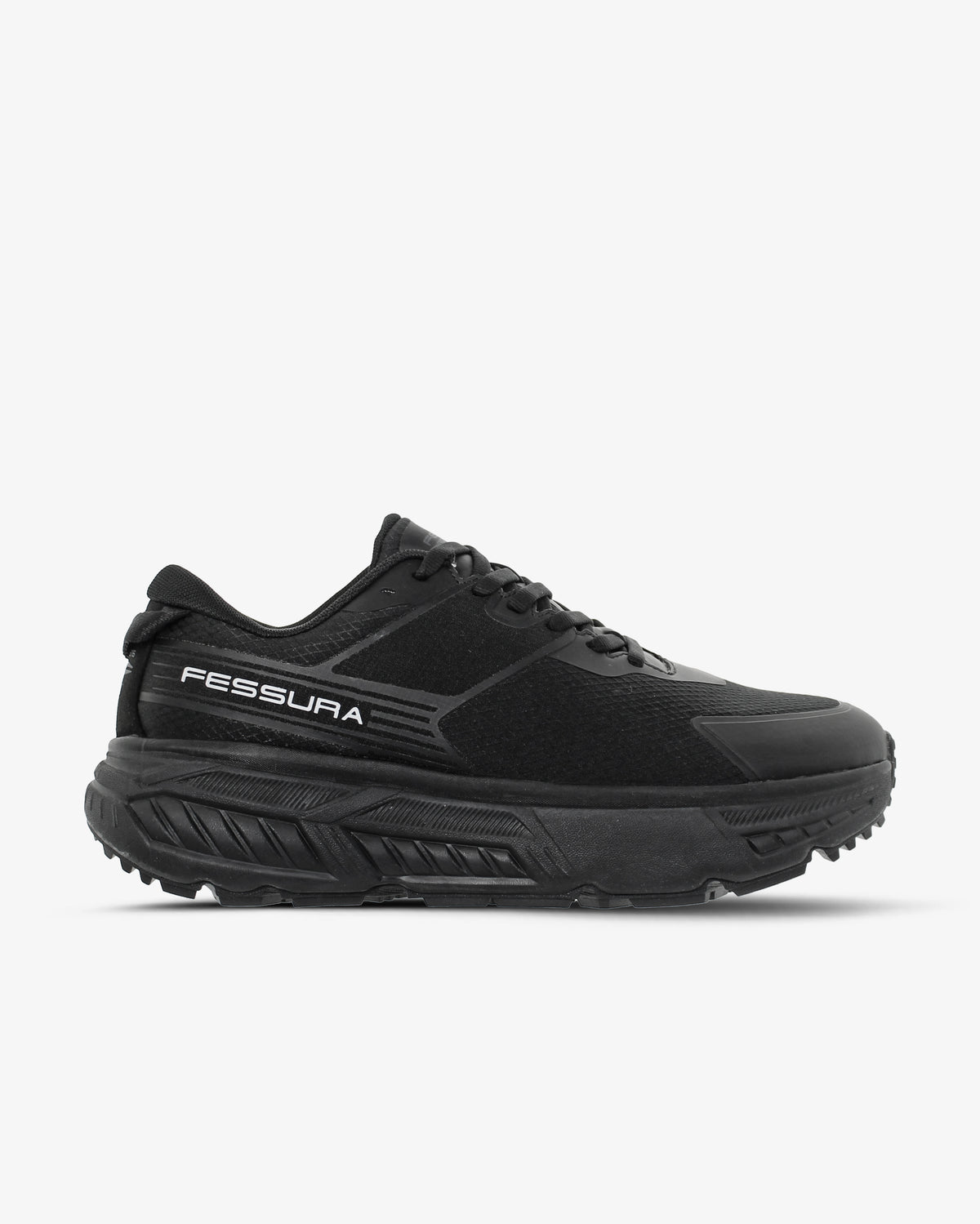
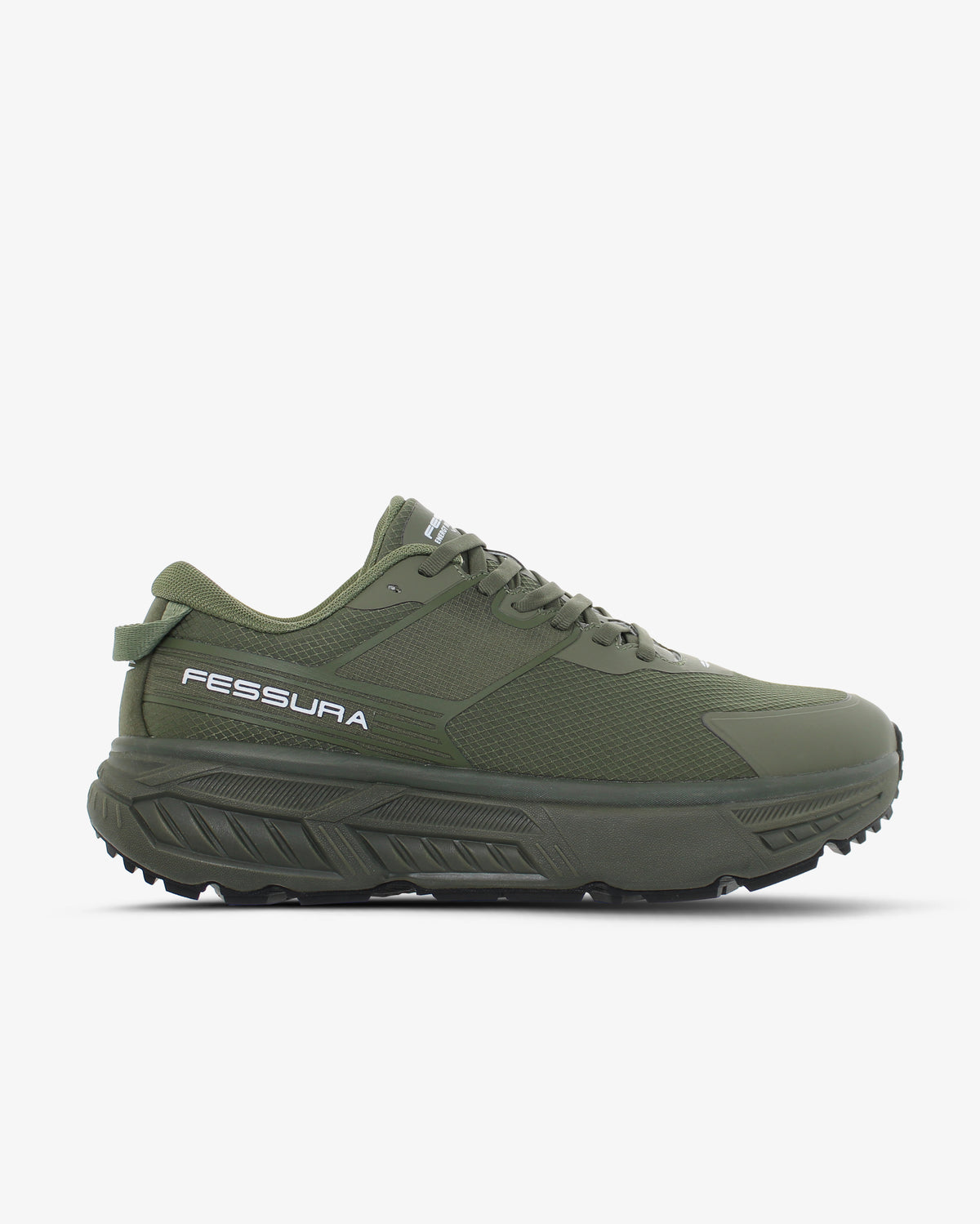
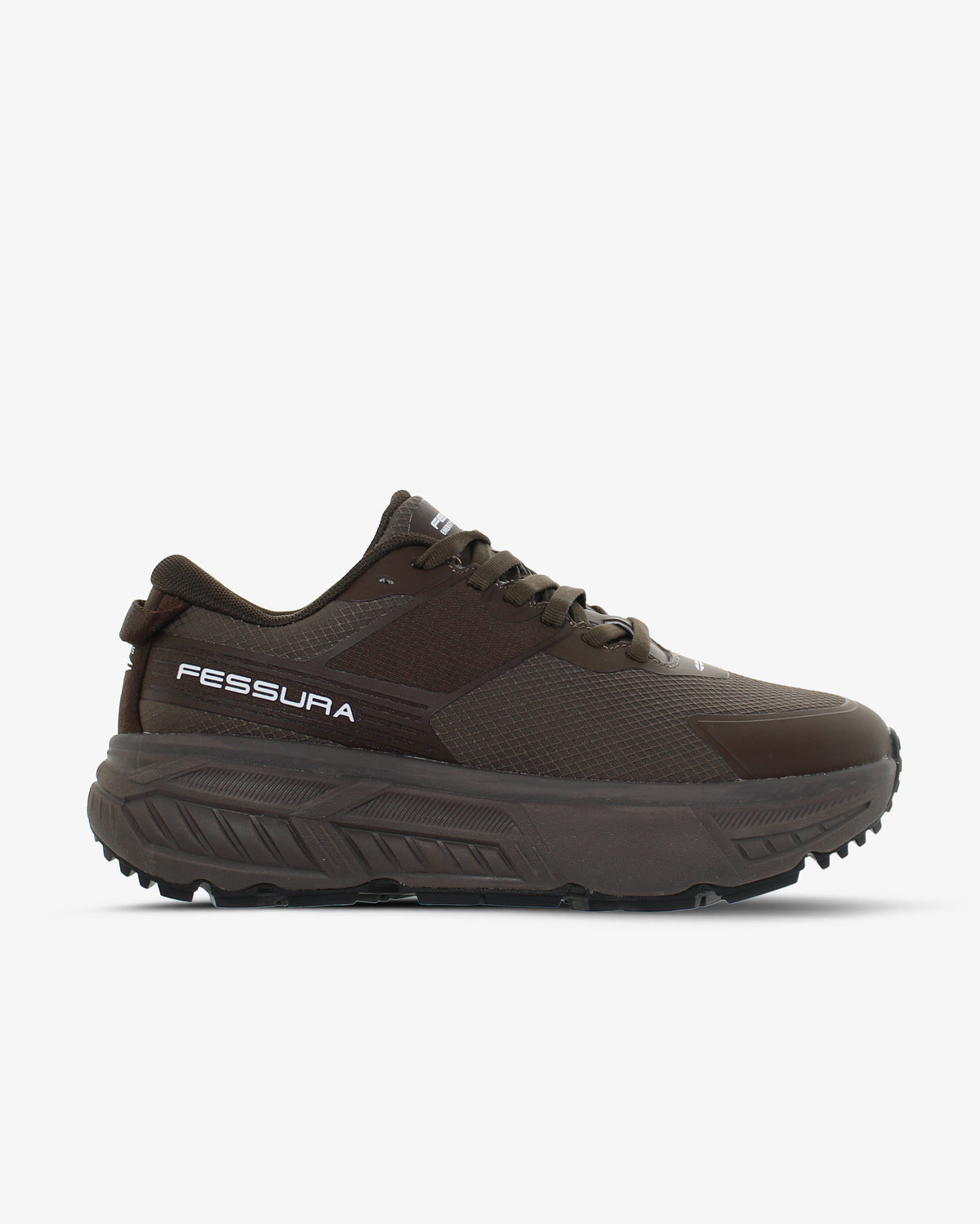
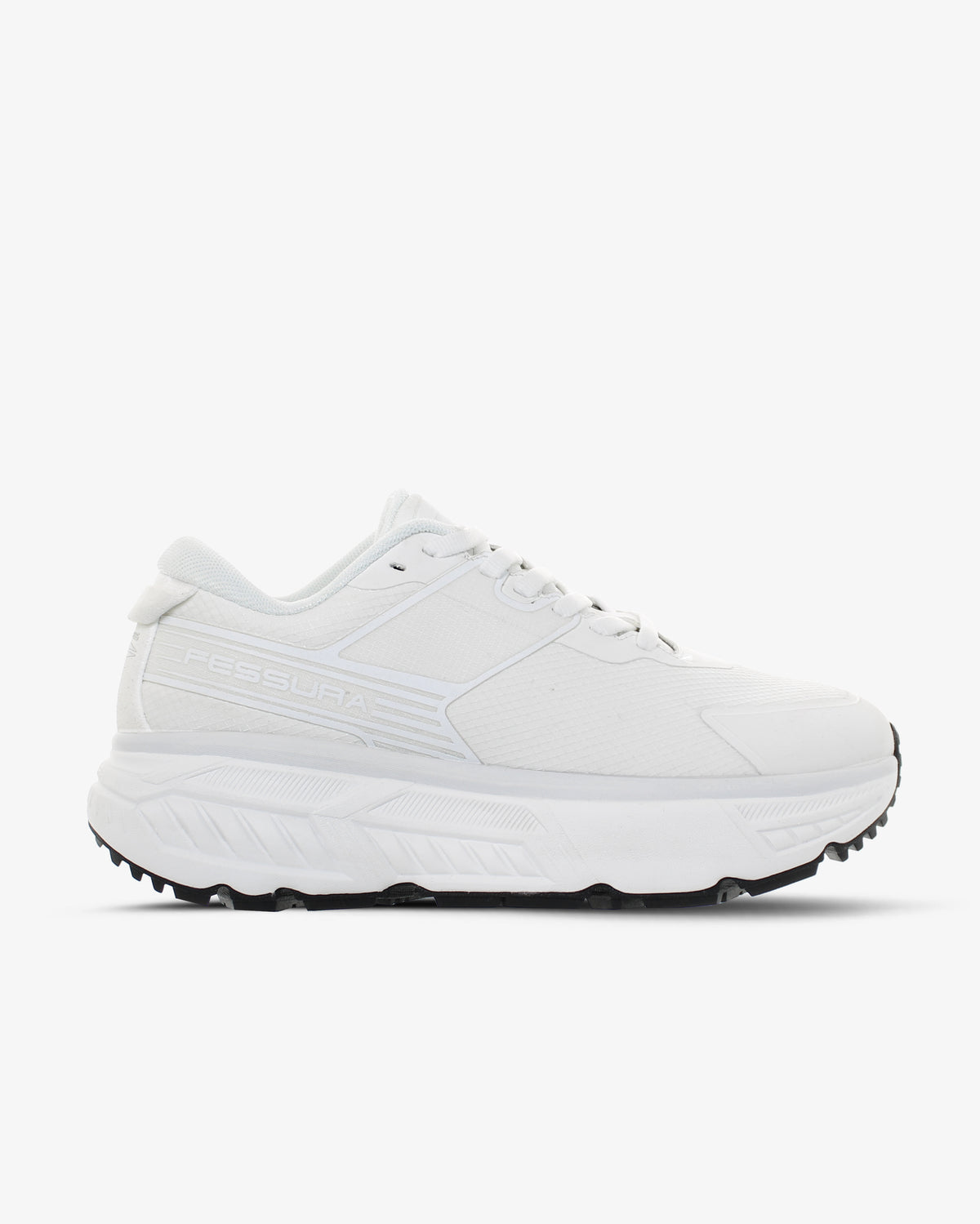
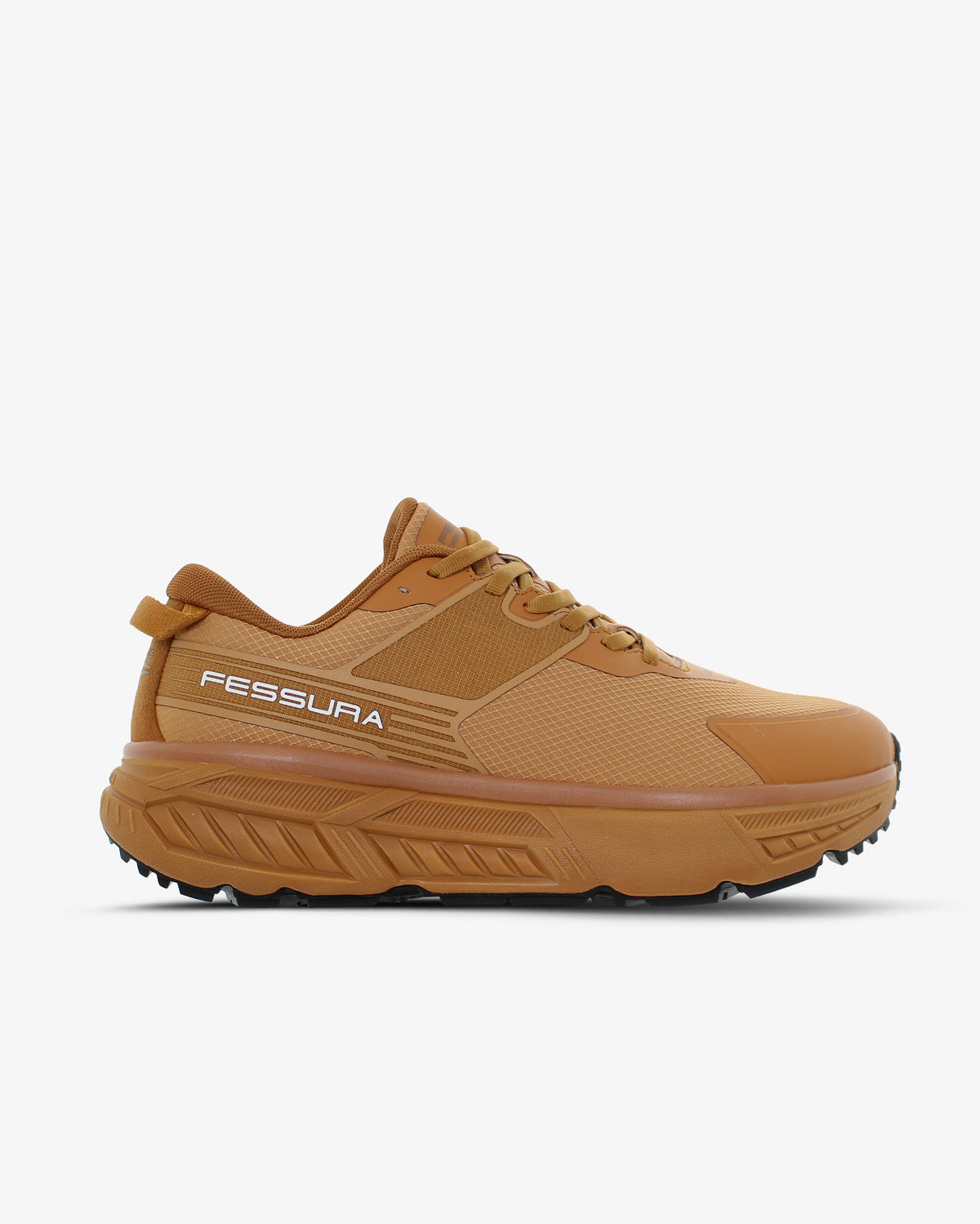
- For mixed trails and trail approach: The Fessura SBL series guarantees the perfect balance between cushioning and responsiveness on mixed terrains. It is the ideal "door-to-trail" shoe for beginners: versatile, protective, and designed to transition naturally from asphalt to dirt paths.
- For technical hiking: If you are aiming for more demanding trails, the Fessura Trail VTR provides the grip and stability needed to tackle any elevation gain safely.
OUTDOOR EQUIPMENT


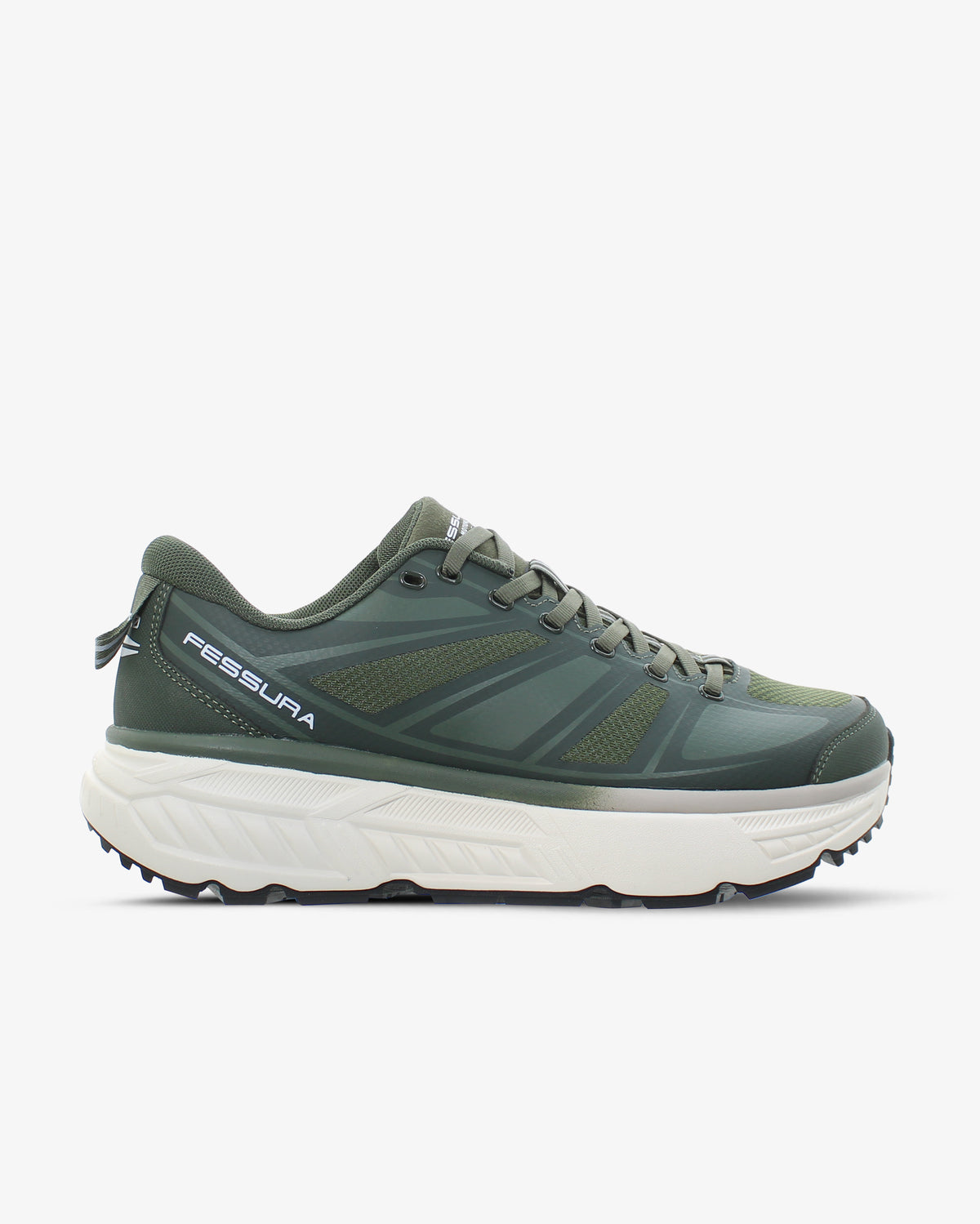

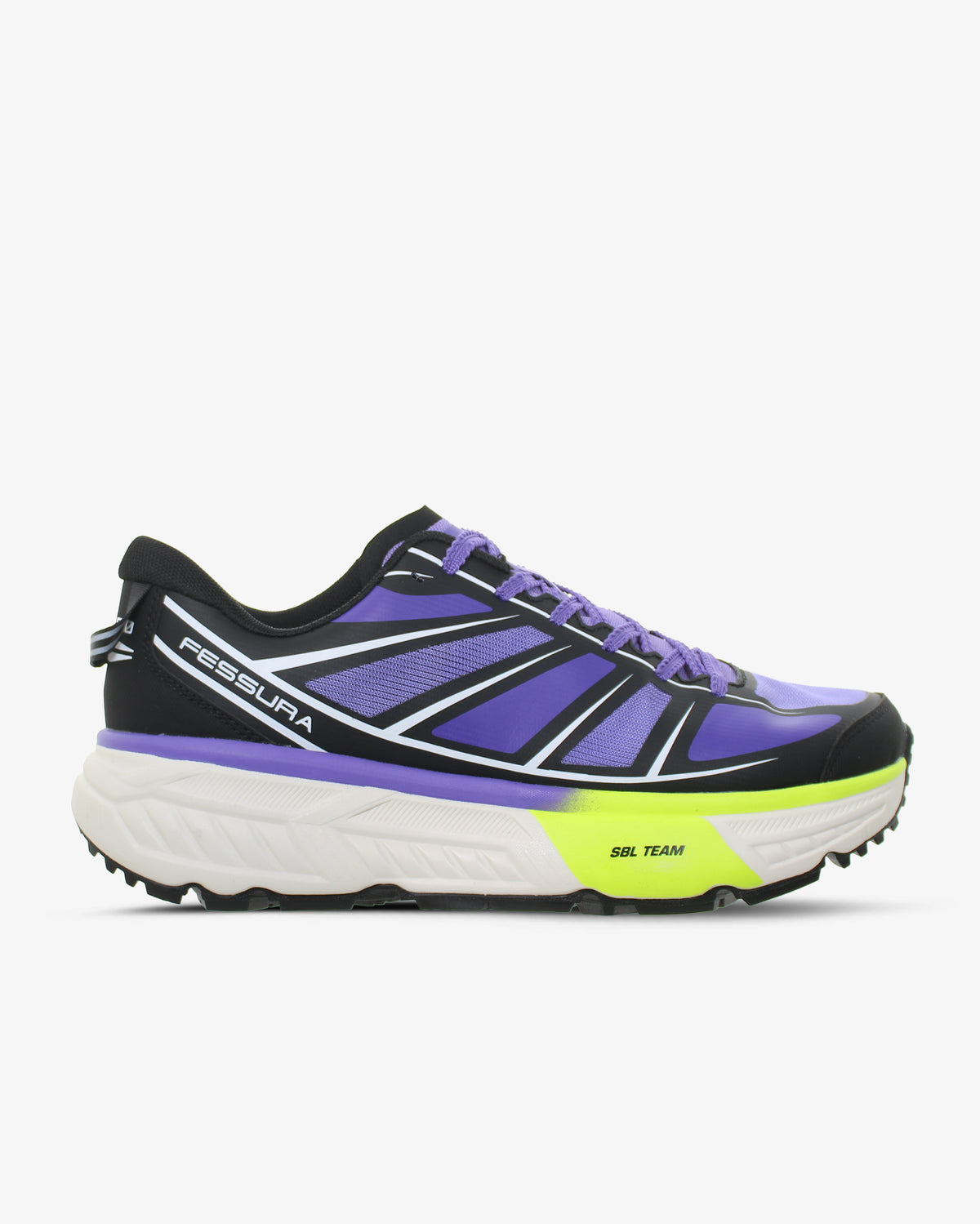
Listen to your body and find your rhythm
HOW TO MANAGE YOUR ENERGY DURING A HIKE?
Mountains mean facing uneven terrain and variable slopes that require a mix of muscle strength and endurance. To manage effort effectively, gradual preparation is key: start with regular walks on simple paths, progressively increasing the difficulty to adapt your body to outdoor activity.
During the hike, learn to listen to your body: if you feel excessive fatigue or shortness of breath, take a break to recover your balance and prevent injuries.
The 3 Phases of a Perfect Hike
To maximize performance and speed up recovery, every outing should follow this routine:
- WARM-UP: Prep the engine. Before starting the climb, perform mobility exercises for all major muscle groups, from shoulders to ankles. This activates circulation and prepares tendons for the effort.
- CORE PHASE: Find your pace. This is the heart of the walk. Maintain a moderate and steady pace suited to your physical condition. Consistency is more effective than excessive speed interrupted by too many stops.
- COOL-DOWN: The secret to recovery. Don't stop abruptly. In the final minutes, progressively slow your pace. Once finished, take time to stretch.
- POST-RACE RECOVERY: This phase is crucial for transitioning from physical stress to rest. Many beginners underestimate the importance of post-hike care. Muscle recovery starts the moment you take off your trail shoes. Discover the Fessura Trail PLT, our premier recovery shoe. Designed to provide superior comfort and promote foot relaxation after physical activity, the PLT is an essential tool to get back on the trail the next day without pain.
DISCOVER THE TRAIL PLT
THE RECOVERY SHOE DESIGNED TO REGENERATE YOUR FEET AFTER TREKKING
TRAIL PLT


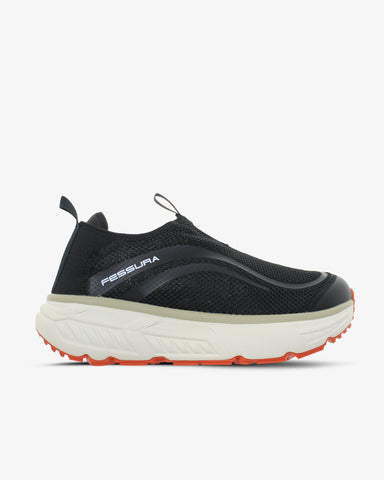



It features a breathable mesh upper and a heel reinforcement for a stable fit. The SLOT midsole ensures maximum cushioning and long-lasting comfort.
Features:
• Mesh upper
• Ultralight eva midsole
• Rubber tread
• Midsole height: 40mm
• Drop: 7mm
• Stride: Neutral
• Cushioning: High
• Tread: 3mm
• Weight: 280gr (size 42) - 190gr (size 37)
• The ULTRACLEAT® tread: designed to offer optimal grip in all weather conditions, thanks to the 3mm studs, which ensure safe traction to tackle any surface.
• SLOT TECHNOLOGY® provides a midsole that features a series of ‘SLOTS’ slots designed with varying volumes and depths to give superior rebound. This technology simultaneously absorbs and releases energy ensuring unprecedented performance. The system also provides a high level of cushioning. Whether you are facing a race or simply urban chaos, this shoe is designed to offer an unparalleled experience.
• Long-lasting Comfort: designed to guarantee maximum comfort, even after many kilometers, thanks to the excellent cushioning system.
• Thermoregulation and Protection: the shoe's upper, in mesh, maintains freshness and protection, thanks to the front rubber inserts.
• Heel Structure: The shell ensures a stable adherence to the heel, giving a feeling of stability and robustness.
We ship all orders, which are processed within 24-48 working hours, via DHL. Shipping costs are free in Italy for orders over €49. For foreign countries, shipping costs depend on the country of shipment and will be calculated at checkout. For more information visit the dedicated "Customer Service" section.
Payment can be made via PayPal, via Shopify Payments gateway with credit card, via Scalapay with installments or cash on delivery only in Italy. For more information visit the dedicated "Customer Service" section.
If you are not satisfied with the item purchased, you have 14 days from receipt of the order to request a refund or replacement. In Italy the return is free, for orders from abroad the return shipping will be paid by the customer. For more information visit the dedicated "Customer Service" section
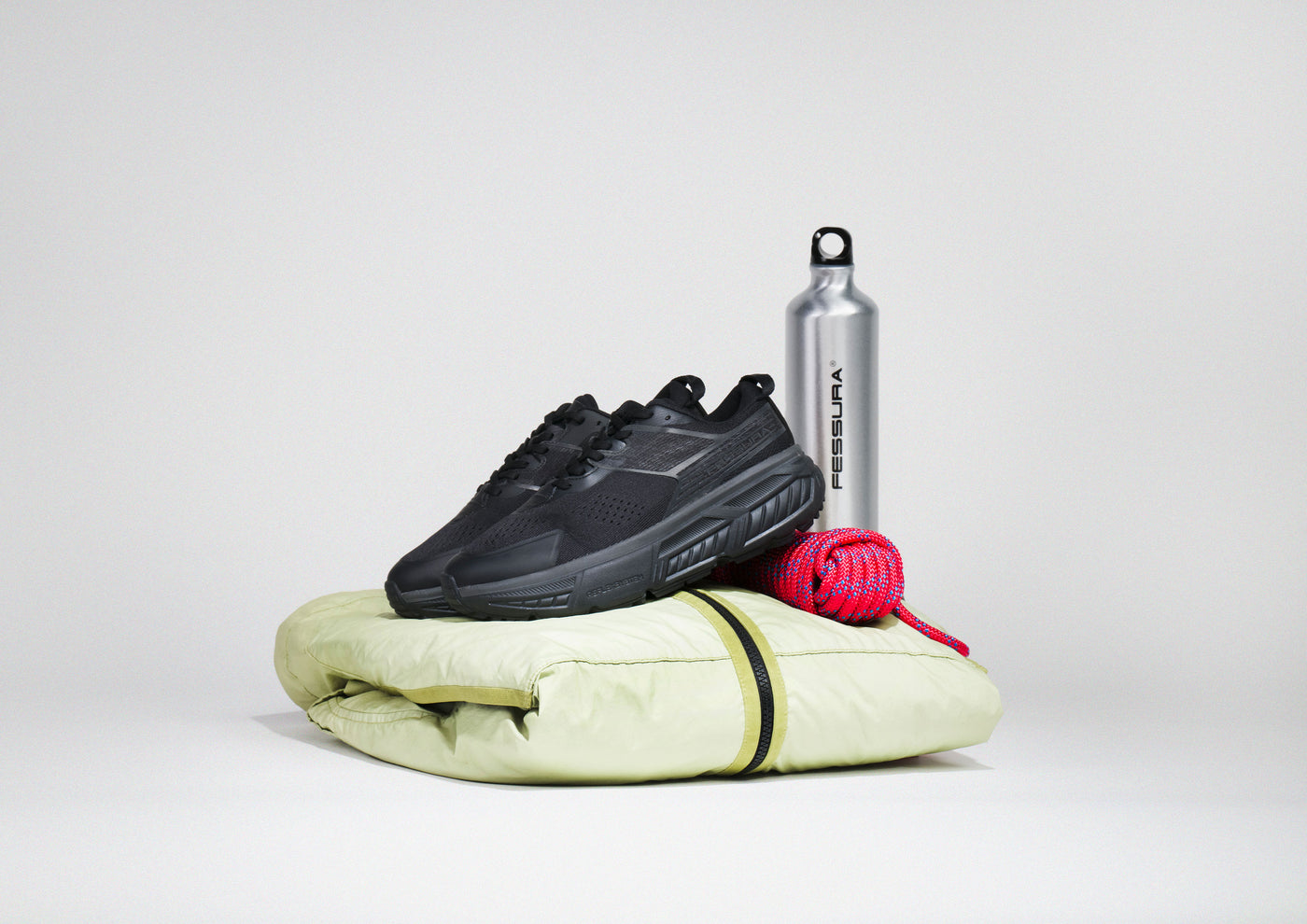
Discover the Trail PLT, the recovery shoe designed to regenerate your feet after trekking.
WHAT TO CARRY DURING A HIKE?
To experience the hike at its best, careful equipment planning is essential. A small backpack (20-25 liters) that is ergonomic and equipped with a breathable backrest is indispensable. Correct load distribution promotes a balanced posture and prevents back pain after hours of walking.
Essential packing list:
- Water and food: For hydration and energy (bars, dried fruit, chocolate).
- Sun protection: Vital at high altitudes.
- Spare gear: Beanie, gloves, and a dry shirt for when you reach the summit.
- Equipment: Trekking poles to reduce leg fatigue and a trash bag to keep the environment clean.

Energy and Hydration
HOW TO EAT DURING A HIKE?
During a hike, the body constantly expels fluids and electrolytes that must be replenished to avoid drops in blood pressure, cramps, or sudden exhaustion. It is fundamental to manage hunger and thirst by taking frequent breaks to recharge.
The secret is to stay ahead: Drink small sips of water at regular intervals without waiting to feel thirsty to maintain constant cellular hydration throughout the journey.
Regarding food, choose easily digestible, nutrient-rich foods with sustained energy release. During the walk, go for quick sugars like energy bars, dried fruit, or dark chocolate to curb hunger and support the effort. For lunch, carbohydrates such as a classic sandwich with cold cuts and cheese are usually recommended—ideal for providing long-lasting energy without weighing down digestion.
FAQ - Frequently Asked Questions for Beginners
- Hiking backpack with water and food.
- Suitable clothing and first aid kit.
- Map, compass, torch.
- Multi-purpose tools and sunscreen.
- Mobile phone, identity card and thermal blanket.
Yes, trekking apparel should be breathable, lightweight, and suited to the weather conditions. It is advisable to wear thermal layers, a windproof or waterproof jacket, durable trousers, trekking socks, and robust shoes with terrain-appropriate soles. In fact, using common sneakers on uneven terrain is discouraged due to a lack of grip and lateral protection. If you are unsure how to choose the correct shoe size, please consult our official Size Guide to find your perfect fit. A hat for sun protection and lightweight gloves can also be useful. It is important to avoid cotton clothing, which retains moisture; instead, opt for synthetic or technical materials that dry quickly.
For trails that are not too technical, the best footwear is low trail/trekking shoes or lightweight boots with a non-slip sole and high cushioning. Make sure they have good grip and ankle support. Shoes should be breathable and comfortable, with good foot protection. Make sure the footwear fits your foot to avoid blisters and discomfort while walking.
During a trekking walk, it is important to avoid overloading your backpack, as too much weight can cause fatigue and stress on your joints. Furthermore, it is essential to wear appropriate footwear to prevent blisters and foot injuries. Another common mistake is neglecting hydration: drinking water regularly helps maintain energy and concentration. Also avoid underestimating the weather conditions and not wearing clothing that is suitable for changing climatic conditions. Finally, do not neglect route planning and orientation, to avoid getting lost and dangerous situations.
The main advantages of a trekking pole include extra support for the joints, especially during steep descents, reduced strain on the leg muscles, better balance and stability on uneven terrain, the possibility to test water depth or ground stability, and the ability to use them to pitch tents or build improvised shelters.
Walking on roads offers an even and predictable surface, suitable for regular footsteps. On trails, you face terrain variations and obstacles such as roots or rocks may present themselves, requiring more attention and stability. In the mountains, the terrain is more challenging, with steeper slopes, unstable ground and possible sudden changes in weather, requiring greater physical and mental preparation, as well as specific navigation and survival skills.
To tackle steep climbs in trail or trekking, it is advisable to keep an even stride, distribute your weight evenly, use your arms to help propel you, breathe deeply and take frequent breaks to avoid fatigue. For steep descents, it is important to maintain a low centre of gravity, bend your knees slightly to absorb shocks, use trekking poles to balance your weight, maintain an upright posture and focus on the stability of the terrain.
It is essential to carry a reliable light source and a power bank, to dress appropriately for the weather conditions, to communicate the route and planned time to someone, to pay special attention to changes in terrain and trail conditions, and to proceed with caution, paying attention to dangers such as precipices, obstacles or wild animals.
If you get hurt during a hike, find a safe place to rest immediately, assess the severity of the injury and try to provide the necessary treatment with the first aid kit. If you get lost, try to stay calm, try to find your way back to the trail by following any signs or landmarks, and if you can't do this, stay where you are to avoid straying further. Activate your emergency device if you have one, and try to signal your location with acoustic or visual signals to attract the attention of helpers.
Joining walking or hiking groups offers numerous benefits, including sharing experiences and knowledge, additional safety in case of emergency or loss, the opportunity to explore new routes in company, mutual motivation to achieve goals, and the chance to develop new friendships and social ties based on a love of outdoor activity.
Yes, many trails allow owners to take their dogs with them on hikes. However, it is important to check the specific rules of the trail and observe the rules of behaviour. Make sure your dog is trained, is sociable with other hikers and is able to cope with the trail conditions. Carry extra water and a bowl for your dog and always keep your dog on a leash when required.
In the event of meeting with wild animals during a trail or trek, it is essential to remain calm and not approach them. Avoid making any sudden movements or noise and keep a safe distance. Do not feed wild animals and avoid blocking their escape route. If the animal approaches, move away slowly and without turning your back on it.


